
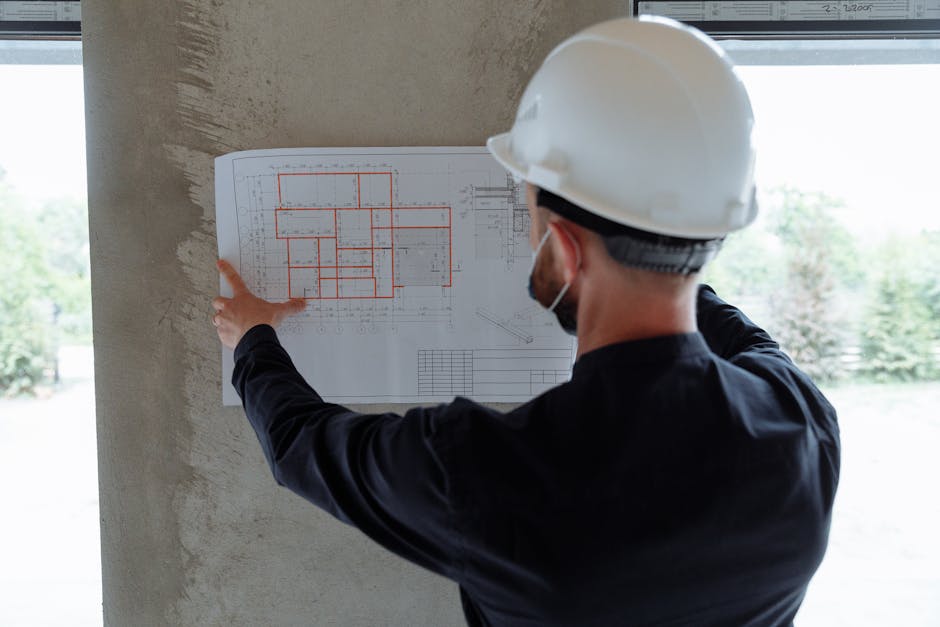
Transforming Spaces: The Eco-Conscious Approach to Design Project Management
In a world increasingly aware of its environmental footprint, the role of design project management has evolved beyond mere aesthetics and functionality. Today, it is about creating spaces that are not only beautiful but also sustainable and ethical. As a sustainability advocate, I believe that every design decision we make can contribute to a healthier planet. This article explores how eco-conscious decisions and ethical sourcing in design project management can lead to a more sustainable future.
Design project management is the process of overseeing and coordinating design projects from inception to completion. It involves planning, executing, and closing projects while managing resources, timelines, and budgets. However, in the context of sustainability, it also means making choices that minimize environmental impact and promote social responsibility.
One of the first steps in sustainable design project management is to prioritize eco-friendly materials. This means sourcing products that are made from renewable resources, recycled materials, or those that have a low environmental impact during their lifecycle. For instance, using bamboo flooring instead of traditional hardwood can significantly reduce deforestation and carbon emissions. Additionally, opting for low-VOC (volatile organic compounds) paints and finishes can improve indoor air quality, making spaces healthier for occupants.
Ethical sourcing is another critical aspect of sustainable design project management. This involves ensuring that the materials and products used in a project are obtained in a way that respects both people and the planet. Certifications such as Fair Trade play a vital role in this process. Fair Trade certification ensures that producers in developing countries receive fair wages and work in safe conditions. By choosing Fair Trade products, designers not only support ethical labor practices but also build trust with clients who are increasingly concerned about the origins of the materials used in their projects.
The impact of these eco-conscious decisions extends beyond the immediate project. When clients see that their design project is aligned with sustainable practices, it fosters a sense of pride and responsibility. They become advocates for sustainability in their own communities, spreading awareness and encouraging others to consider the environmental impact of their choices. This ripple effect can lead to a broader cultural shift towards sustainability in design and construction.
Moreover, incorporating sustainability into design project management can also lead to cost savings in the long run. While some eco-friendly materials may have a higher upfront cost, they often result in lower energy bills and maintenance costs over time. For example, energy-efficient appliances and fixtures can significantly reduce energy consumption, leading to substantial savings for homeowners and businesses alike. Additionally, many governments offer incentives for sustainable building practices, which can further offset initial costs.
As a design project manager, it is essential to stay informed about emerging trends in sustainable design. For instance, biophilic design, which emphasizes the connection between people and nature, is gaining popularity. This approach incorporates natural elements into design, such as living walls, natural lighting, and outdoor spaces, which can enhance well-being and productivity. By integrating biophilic principles into projects, designers can create environments that not only look good but also promote mental health and well-being.
Another trend is the use of technology in sustainable design. Smart home technology can optimize energy use, monitor water consumption, and enhance overall efficiency. By incorporating these technologies into design projects, managers can help clients achieve their sustainability goals while also providing them with modern conveniences.
In conclusion, design project management is at a crossroads where sustainability and ethical sourcing are becoming integral to the process. By prioritizing eco-friendly materials, ethical sourcing, and staying informed about emerging trends, design project managers can create spaces that are not only visually appealing but also contribute to a healthier planet. As we move forward, let us embrace the responsibility that comes with our choices and strive to make a positive impact through our work. Together, we can transform spaces and inspire a more sustainable future.